 Mosquitoes in Texas are a persistent concern for homeowners, especially when warm temperatures and seasonal rainfall create favorable breeding conditions. Although mosquito activity varies by region and weather, understanding when these pests are most active—and what attracts them—can help you make your outdoor spaces more comfortable.
Texas mosquito season generally begins when temperatures consistently warm in spring. Activity often increases from late spring through early fall, with many areas experiencing the most noticeable problems during hot, humid summer months.
Mosquito numbers may rise rapidly after heavy rain or flooding. Water that collects in containers, low areas and drainage systems can provide breeding sites. In warmer parts of South Texas and along the Gulf Coast, mosquitoes may remain active for much of the year. North and Central Texas typically experience a more defined seasonal increase from spring until cooler fall temperatures arrive.
The Texas Department of State Health Services notes that mosquitoes can transmit illnesses, making bite prevention more than a matter of outdoor comfort.
Mosquitoes need water to complete the early stages of their life cycle. Depending on the species, they may develop in containers, puddles, ponds, tree holes, marshes and other areas with standing or slow-moving water.
Common mosquito breeding areas around Texas homes include:
Shade and dense vegetation can also provide resting areas for adult mosquitoes during the hottest parts of the day.
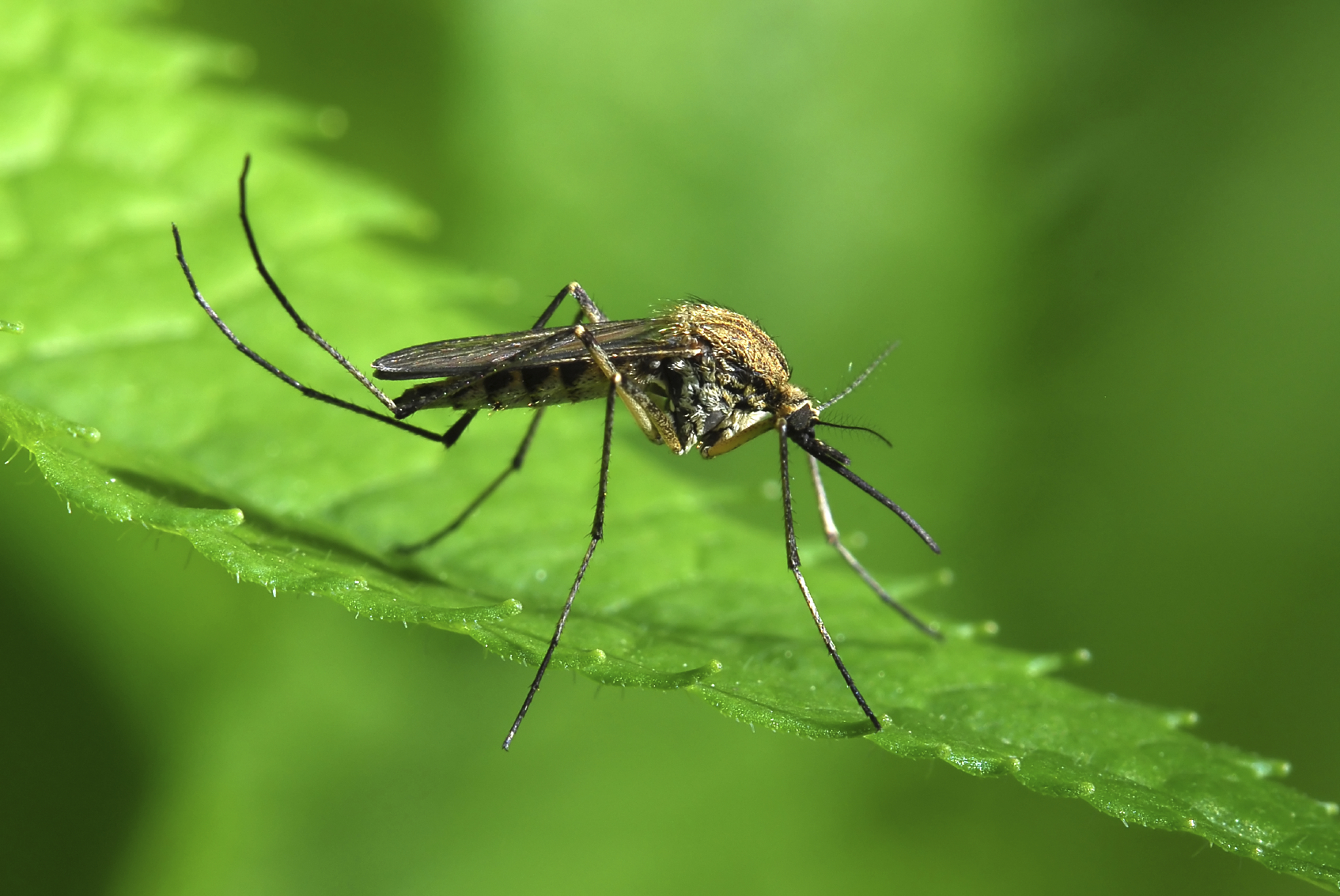
There are many types of mosquitoes in Texas, but homeowners commonly encounter species from several major groups.
Aedes mosquitoes often use small containers and other water-holding objects as breeding sites. Some are aggressive daytime biters. Culex mosquitoes are frequently active from dusk through dawn and may develop in water containing organic material. Floodwater mosquitoes lay eggs in areas that later fill with rain or floodwater, sometimes producing large populations after storms.
Because species differ in their breeding sites, feeding behavior and active periods, an effective mosquito plan should address the conditions found on the individual property rather than relying on one general approach.
The Centers for Disease Control and Prevention recommends emptying and scrubbing, covering, turning over or discarding water-holding items once a week.
Homeowners can also take these practical steps:
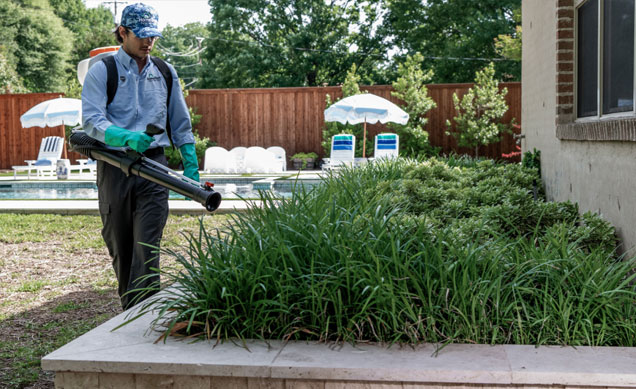
Persistent activity may require more than removing visible standing water. A pest professional can inspect homes for pests, identify likely resting and breeding areas, and recommend a service plan that helps reduce mosquito activity.
HomeTeam Pest Defense offers local options for:
Mosquitoes are most troublesome when warmth, moisture and accessible breeding sites occur together. Weekly property maintenance, personal bite-prevention measures and professional service can work together to help reduce mosquito activity throughout the season.
Contact HomeTeam Pest Defense to request mosquito service for your Texas home.
Would you like to call 844.372.7552?
×Would you like to call 844.372.7553?
×Would you like to call 844.372.7558?
×Would you like to call 520-900-5731?
×Would you like to call 844-574-1560?
×Would you like to call 844-372-7552?
× Find My Branch
 Call Now: (877) 461-7378